IEC Considers Introducing Electronic Voting in South Africa
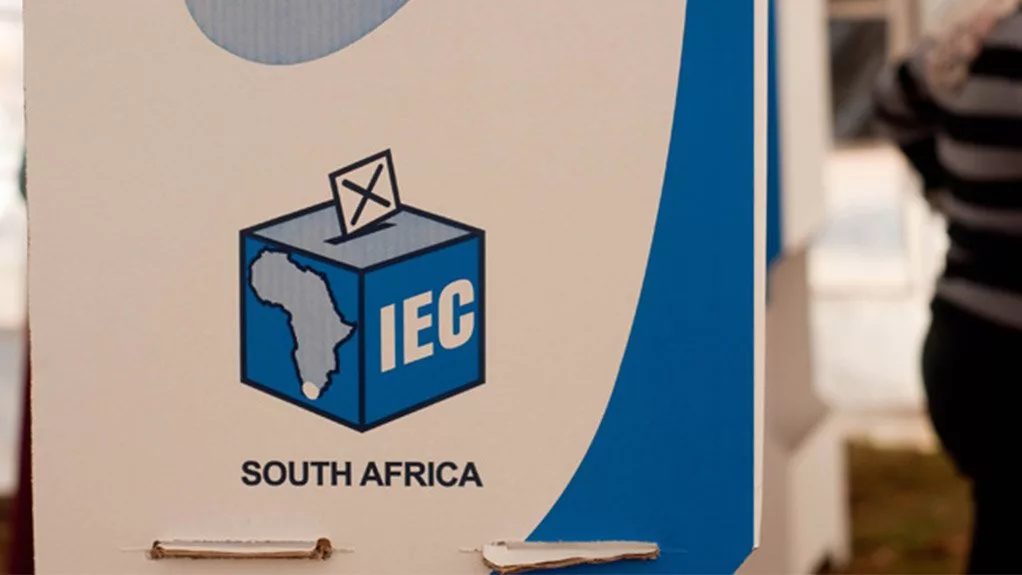
IEC Proposes E-Voting, Raising Questions About Transparency, Trust, and Accessibility
The Independent Electoral Commission (IEC) has proposed the introduction of electronic voting (e-voting) systems in South Africa. While presented as a step toward modernising elections, the move raises significant questions about transparency, security, and voter confidence.
According to civic organisation DearSA, South Africans are invited to provide input on whether such a system should be adopted. The summary highlights several concerns that need to be carefully considered before any decision is made.
Issues Identified
-
Voter Turnout
Declining participation in elections has often been attributed to voter apathy. Critics argue the real issue is disillusionment with elected officials, rather than the voting method itself. Changing to e-voting may not address this problem. -
Queue Management
Long queues during elections are frequently linked to poor organisation and limited staffing at polling stations. These logistical challenges may persist regardless of whether the system is electronic or paper-based. -
Ballot Complexity
South Africa’s multiple ballot system can appear complex. DearSA suggests that educational material, including sample ballots marked with watermarks, could be distributed ahead of time to help voters familiarise themselves with the process. -
Access to Technology
A significant portion of South Africans lack regular access to technology. Introducing e-voting machines could create barriers for voters unfamiliar with digital platforms, potentially reducing inclusivity.
International Experience
Several countries have trialled or implemented e-voting, with mixed or negative outcomes:

- Germany – The Constitutional Court ruled e-voting unconstitutional in 2009 due to transparency concerns.
- Ireland – Abandoned e-voting machines after significant costs and a lack of public trust.
- Netherlands – Discontinued electronic voting in 2007 amid fears of tampering.
- Norway – Cancelled trials in 2014 over security and trust issues.
- India – Faced ongoing allegations of tampering and manipulation.
- USA – Experienced persistent controversy around electronic voting integrity and security.
These examples suggest that while e-voting may appear modern, its implementation has proven challenging, even in countries with more robust infrastructure.
The Way Forward
The IEC’s proposal signals a possible shift in South Africa’s electoral process. However, international experiences highlight risks around trust, accessibility, and security that must be addressed.
South Africans are encouraged to participate in the public consultation process. Have your say on DearSA here.