Opinion: BRICS “Common Values” – A Morally Hollow Declaration?
True Peace Requires Truth — BRICS’ Values Lack an Absolute Moral Foundation
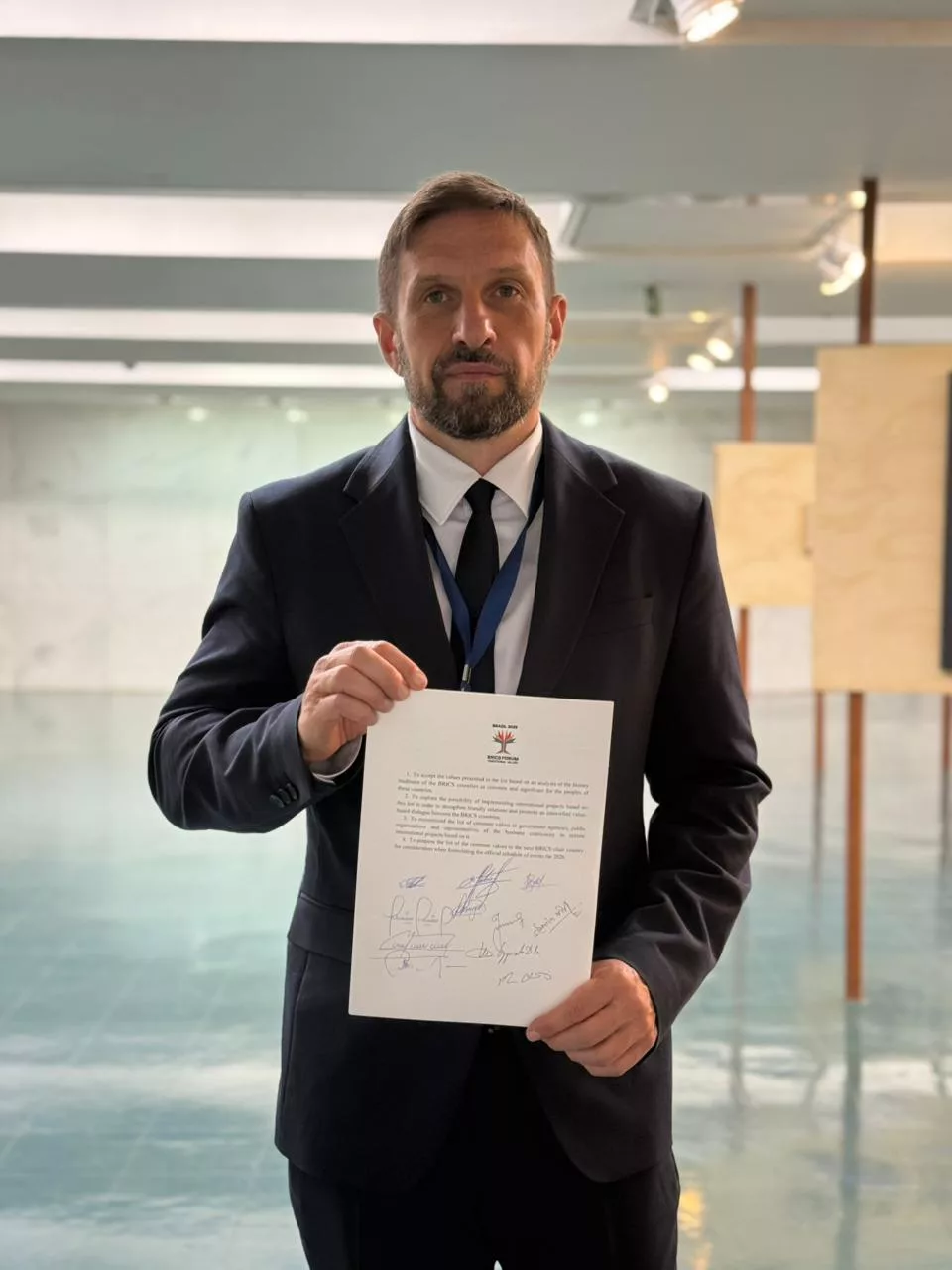
At the recent BRICS “Traditional Values” Forum in Brasília, the member nations presented an official list of shared values. On paper, these values — compassion, cultural sovereignty, equality of cultures, economic well-being, social justice, humanism, peacefulness, solidarity, honesty — sound admirable. Yet a deeper look exposes a disconnect between their lofty ideals and their practical implications. Without grounding in truth and moral certainty, such values risk becoming an abstract moral theatre rather than a transformative compass for society.
The Problem With “Humanism” Without God
Humanism is prominently featured in the BRICS list. It promotes the idea that humanity itself is the source of moral guidance. While it appeals to modern ideals of tolerance and shared dignity, humanism without an absolute moral anchor risks collapsing into moral relativism — where truth becomes subjective and “values” shift with convenience.
The Bible offers a different foundation for values. Scriptures such as Micah 6:8 state: “He has shown you, O mortal, what is good. And what does the Lord require of you? To act justly and to love mercy and to walk humbly with your God.” This reminds us that true moral guidance comes not from consensus alone, but from divine truth. Without that foundation, values like compassion and honesty can be reinterpreted to fit political expediency rather than moral integrity.

Cultural Sovereignty and Equality of Cultures — A Double-Edged Sword
Cultural sovereignty and equality of cultures are admirable on the surface, but in reality, they can be a pathway toward cultural relativism. This risks dismantling universal moral standards and allowing harmful practices to persist under the guise of “cultural difference.”
From a biblical perspective, God’s Word establishes absolute moral truths (John 14:6 — “I am the way and the truth and the life”), which transcend culture and politics. Cultural diversity should not mean a flattening of truth, but a respectful sharing that recognises universal human dignity grounded in moral clarity.
Economic Well-Being and Social Justice — Ideals or Illusions?
BRICS frames economic well-being and social justice as core values. Yet history warns us: without personal responsibility, strong institutions, and moral foundations, such ideals are easy to promise but difficult to deliver. Too often, they become political slogans rather than genuine transformation for citizens.
Biblical teaching reminds us that true justice comes with righteousness (Proverbs 21:3 — “To do what is right and just is more acceptable to the Lord than sacrifice”). Economic policy built on sound principles and moral responsibility produces lasting prosperity, not short-lived welfare programmes.
Solidarity and Peacefulness — Idealism Without Accountability
Solidarity and peacefulness are valuable goals, but in reality, peace without truth can become complacency or even submission to injustice. The Bible teaches in Ephesians 4:15 to “speak the truth in love” — a balance between unity and accountability that the BRICS list does not address. Without addressing the root of conflict — moral truth and repentance — peace risks being a fragile, surface-level state.
The Danger of Values Without a Moral Compass
The BRICS values may appear as a genuine step toward unity. But without an absolute moral anchor — such as that provided by biblical truth — these values risk becoming an empty framework. History has shown that movements rooted in man-made consensus without a higher moral foundation can be easily manipulated for political or economic ends.
The question remains: are these “common values” truly a moral compass for humanity, or are they a diplomatic façade for political alignment? True values require not just agreement, but a foundation — one that, according to Scripture, rests on God Himself.
BRICS’ list of “common values” should be examined critically. It is not enough to agree on abstract virtues without grounding them in moral truth. Human society needs values that are rooted in eternal principles — values that guide nations, cultures, and individuals toward justice, mercy, and humility before God. Without that foundation, even the noblest words can become empty rhetoric.