Nando’s Clarifies Licensing on Spirit Amid Nota Baloyi Dispute
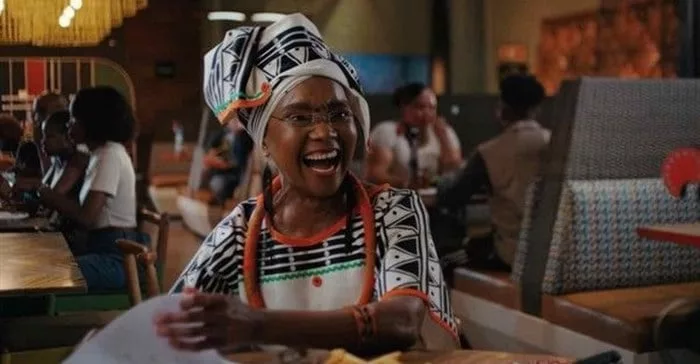
Nando’s Defends Use of Spirit Track in Latest Ad Campaign
South African fast-food giant Nando’s has responded to claims by music executive Nota Baloyi, who alleges the brand used the hit song Spirit without proper licensing. The dispute has stirred debate about music rights, commercial use, and the responsibilities of both rights holders and advertisers.
— NandosSA (@NandosSA) January 27, 2026
The Dispute
The conflict centres on Nando’s use of Spirit, a track by Kwesta featuring Wale, in a recent advertising campaign. Baloyi, former manager of Kwesta and head of Urbantainment, claims the company did not grant a licence for Nando’s to use the song, threatening legal action and reportedly seeking R850,000.
Nando’s publicly countered, stating that the song was licensed “in full collaboration with the original composers and all rights holders represented by Downtown Music T/A Sheer Publishing.” They emphasised that they obtained the licence from the recognised rights holders, which is legally sufficient for commercial use.

How the Song Was Handled
- Nando’s obtained the licence via Sheer Publishing, a globally recognised music publisher acting on behalf of the original composers.
- The composers of Spirit include Kwesta (Senzo Vilakazi), Neo Makwa, Wale (Olubowale Victor Akintimehin), and additional credited writers. Kwesta and Makwa are South African.
- Sheer Publishing represents these composers and is registered with SAMRO, the official South African body managing composer and publisher royalties for public performance and commercial use.
- The licence issued to Nando’s covered commercial use in the advertisement, meaning the brand is legally protected.
Nota Baloyi’s Claim
Baloyi’s argument is that Nando’s used the track without his company’s permission. His claim is based on:
- His historical involvement as Kwesta’s manager
- Alleged control over Urbantainment’s publishing rights, including portions of the composition sampled in Spirit
- The assertion that Nando’s acted without a proper licence
Why is problematic
- Ownership of rights is what matters, not management history. Being a former manager does not confer legal authority over compositions or licences.
- Sheer Publishing, not Urbantainment, is the registered rights holder representing the composers for licensing purposes. Nando’s legally secured the licence from them.
- SAMRO — the statutory body responsible for verifying and distributing royalties — recognises Sheer Publishing as the publisher. There is no evidence publicly that Urbantainment controls the relevant rights.
Handling in Layman Terms
Think of it like this:
- A song has “owners” (the composers) and “representatives” (the publisher).
- If a company wants to use the song in an advert, they need permission from the representatives who are officially registered to license it, not someone claiming historical involvement.
- Nando’s went to Sheer Publishing — the recognised representative — and got the licence. That’s legally valid.
- Nota Baloyi’s claim is like saying, “I once worked with the owner, so I should get to approve any deals,” which has no legal weight unless he can prove his company currently holds rights registered with the official bodies.
Why Sheer Publishing Holds the Rights
-
Sheer Publishing represents the composers who wrote Spirit.
-
These composers are the legally recognised rights holders for the composition in South Africa and internationally.
-
Any licensing for commercial use must go through the publisher, which is exactly what Nando’s did.
-
Urbantainment has no registered claim with SAMRO or global publishing databases for the track used in the ad. Without this, any assertion of rights is non-binding.
Key Takeaways
- Nando’s acted lawfully by licensing the track from Sheer Publishing.
- Nota Baloyi’s claim lacks legal standing unless he proves his company is a registered rights holder with authority over the composition.
- In music rights law, who manages or once managed the artist is irrelevant; only the registered rights holder and their authorised publisher can grant licences.
- The dispute highlights the importance of clear, registered rights and the role of publishing bodies like Sheer and SAMRO in protecting both artists and brands.
This case raises an important question for anyone in South Africa’s music industry: when historic management overlaps with current publishing, how can rights disputes be fairly resolved — and why is relying on officially registered publishers critical for commercial licences?