Clock Ticking for Ramaphosa as Activists Issue 90-Day Ultimatum on Anti-Corruption Reforms
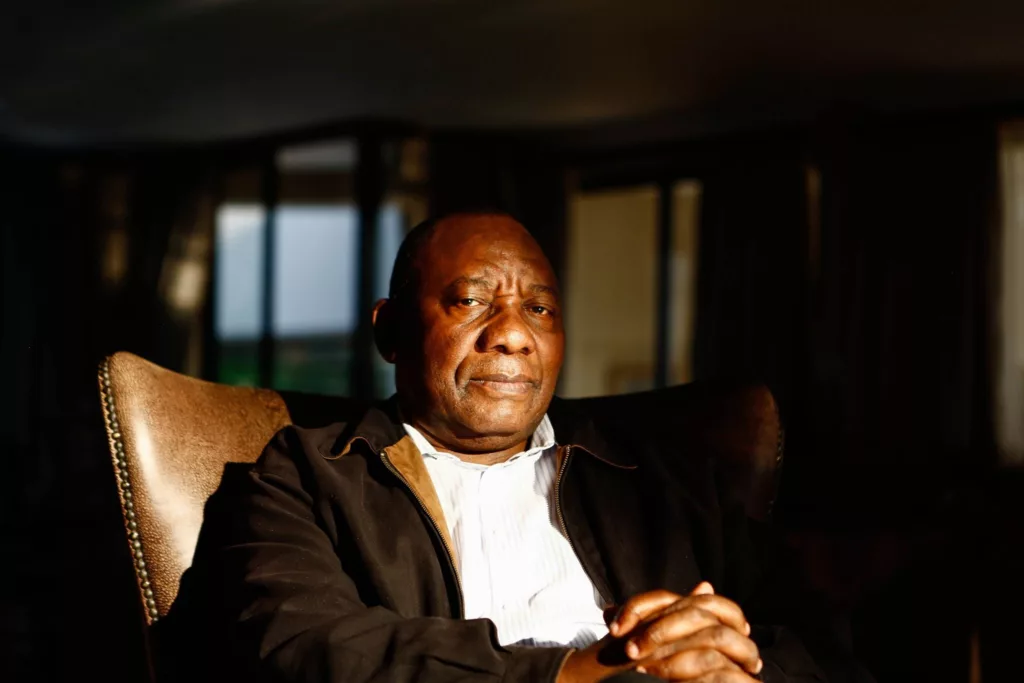
JOHANNESBURG, SOUTH AFRICA JUNE 23: (SOUTH AFRICA OUT): South African Deputy President Cyril Ramaphosa poses for a portrait during an interview in Hyde Park on June 23, 2017 in Johannesburg, South Africa. Ramaphosa said the country needs sensitive and competent leaders to deliver to the needs of the people of South Africa. (Photo by Moeletsi Mabe/Sunday Times/Gallo Images/Getty Images)
More than nine months after receiving a blueprint to overhaul South Africa’s anti-corruption framework, President Cyril Ramaphosa is facing an ultimatum from civil society to stop delaying and implement a permanent, independent watchdog.
The Core Conflict
A coalition of the country’s leading accountability organizations, the Civil Society Working Group on State Capture (CSWG), has publicly chamado out the Presidency for a lack of political will. The group is demanding a comprehensive, time-bound government strategy within 90 days to address the stalled reforms.
The friction centers on the National Anti-Corruption Advisory Council (NACAC) report, which was handed to the President in August 2025. Despite Ramaphosa promising during his 2026 State of the Nation Address (SONA) that the government would finalize its approach to creating a permanent, overarching anti-corruption body, activists say there has been zero substantive progress.

“More than nine months after receiving the report, no clear, substantive, and time-bound response has been provided, nor any actual movement on institutional reform,” the CSWG stated, labeling the delay “unacceptable.”
What Civil Society is Demanding
The CSWG—which includes organizations like Open Secrets—has drawn a line in the sand, demanding that the executive clarify its timeline and take immediate action on five critical fronts:
-
The Office of Public Integrity (OPI): The government must immediately clarify the powers, funding, and independence of this proposed “super-agency” to ensure it is insulated from political meddling.
-
Whistleblower Protection: Activists are calling for the immediate acceleration of a properly resourced, independent support system capable of offering physical, financial, and psychological protection for those who expose graft.
-
Urgent Interim Funding: While long-term reforms stall, immediate operational and financial independence must be granted to existing entities like the National Prosecuting Authority (NPA), the Hawks (DPCI), and the Special Investigating Unit (SIU).
-
A July Deadline: The coalition has demanded an urgent face-to-face meeting with government representatives by July 15, 2026, to force the implementation plan forward.
Why the Delay Matters
The current gridlock highlights a systemic vulnerability in South Africa’s democracy: relying on the “political will” of the ruling party to fight corruption rather than building unassailable institutions.
Without a clear, legislated framework for the proposed Office of Public Integrity, existing anti-corruption bodies remain vulnerable to shifting political tides. Furthermore, the continued delay in establishing robust whistleblower protection means those who risk their lives to expose state capture remain entirely exposed.
The CSWG’s 90-day clock is now running. Whether the Presidency responds with a concrete legislative roadmap or continued bureaucratic silence will be the true test of the administration’s commitment to erasing the legacy of State Capture.