South Africans Face Another Fuel Price Shock as Tax Relief Debate Intensifies
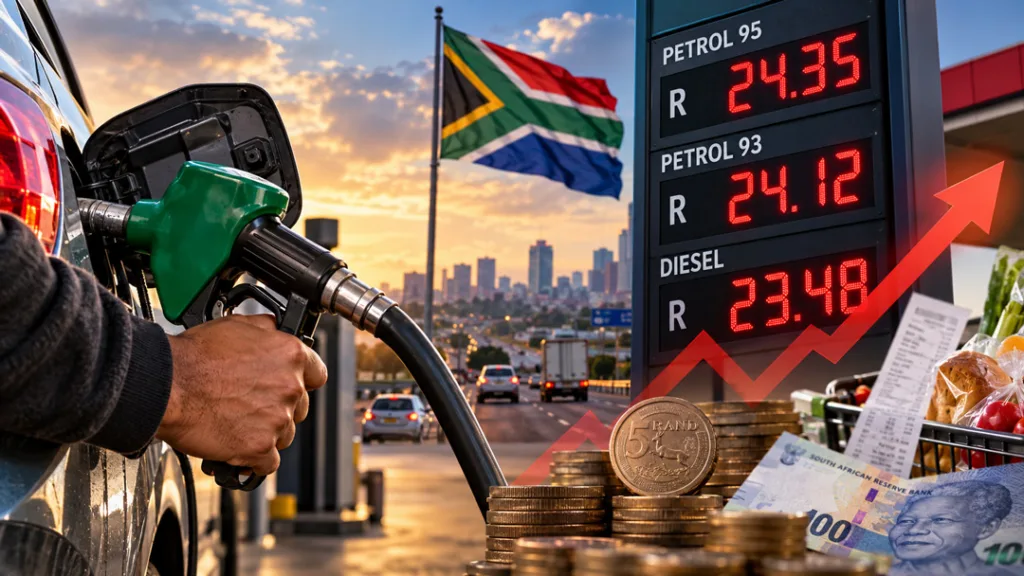
After petrol and diesel prices surged in October, motorists are demanding answers about fuel levies, proposed new vehicle charges and the government’s plans to cushion households from rising costs.
South African motorists have been hit by another substantial increase in fuel prices. Now, with the possibility of further increases in November, questions are mounting over whether the government is doing enough to protect consumers — or whether motorists could face additional financial pressure through existing and proposed transport-related charges.
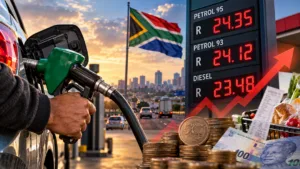
The October 7 fuel-price adjustment increased 93-octane petrol by R3.12 per litre and 95-octane petrol by R3.33. Diesel prices rose by between R2.84 and R3.24 per litre, depending on the grade. The Department of Mineral and Petroleum Resources attributed the increases primarily to higher international crude oil and petroleum product prices, supply shortages, shipping costs and geopolitical uncertainty.
The impact extends well beyond the filling station. Fuel is an essential input for freight operators, agricultural producers, public transport and businesses that depend on deliveries. When transport costs rise, the pressure can eventually reach supermarket shelves and household budgets.

For families already struggling to cover food, electricity, school expenses and transport, another substantial increase could leave even less room in the monthly budget.
Temporary relief was possible. Why has it ended?
Earlier in 2026, National Treasury introduced temporary General Fuel Levy relief to soften the impact of rising international fuel prices. The measures ran until June 30, after which the levies returned to their normal levels.
The government’s intervention demonstrated that temporary tax relief is an available policy instrument. However, it also came at a fiscal cost, and Treasury must account for the revenue forgone when deciding whether to extend similar measures.
That leaves motorists with a legitimate question: if emergency relief was possible earlier this year, what would prevent the government from considering another temporary intervention if international prices continue to place exceptional pressure on consumers?
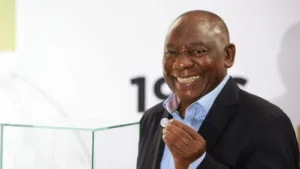
President Cyril Ramaphosa has acknowledged that rising fuel costs are affecting consumers and businesses, while indicating that further relief must be assessed against the country’s fiscal position.
The debate is therefore not simply about whether the government can reduce fuel taxes. It is about the circumstances under which it considers such relief justified, how it would finance the intervention and whether other expenditure priorities could be adjusted.
The RAF’s proposed levy increase raises further questions
The Road Accident Fund has proposed increasing its fuel levy from R2.25 to as much as R3 per litre. That would represent an additional 75 cents per litre — a substantial increase for motorists who already contribute to the Fund whenever they purchase fuel.
The RAF’s position is that its funding model is under pressure from declining fuel sales, inflation and the scale of its claims obligations.
But the proposal has encountered resistance. On October 12, Transport Minister Barbara Creecy reportedly said she would not seek the proposed increase while she remained in office. She argued that the RAF needed to address its institutional and management challenges.
This distinction matters: the proposed increase is not an approved new levy, and the minister has publicly rejected pursuing it.
Nevertheless, the underlying question remains. How should South Africa finance compensation for road accident victims without continually increasing the burden on motorists? And what reforms are needed to ensure that the Fund can meet its obligations?
Those are questions that deserve transparent answers, supported by audited financial statements, clear performance measures and a credible plan for dealing with outstanding claims.
Could motorists face additional vehicle charges?
Dear South Africa’s fuel-price campaign also raises concerns about possible additional charges associated with annual vehicle licence renewals.
The campaign argues that motorists could be required to pay both fuel-related levies and a separate annual charge, creating an additional burden for vehicle owners.
However, the precise legal status, scope and amount of the alleged licence-disc surcharge must be established through the relevant departmental documents. A claim that regulations are being drafted should not be confused with a finalised regulation or an implemented tax.
The public deserves clarity from the Department of Transport. Is such a charge formally being developed? Which vehicles would be affected? What would the money fund? Would conventional motorists face a new charge even though they already pay fuel levies?
Until those questions are answered with documentary evidence, motorists are entitled to demand transparency without being expected to accept speculation as fact.
The November warning: forecast, not final price
The Automobile Association has warned that preliminary fuel-price data could point to a petrol increase of up to R4.58 per litre in November, with diesel also facing a possible substantial increase.
That figure is a forecast, not a confirmed price adjustment. The final outcome will depend on the factors used in the monthly pricing calculation, including international product prices, the exchange rate and applicable adjustments.
Even so, the warning underscores the importance of timely communication from the authorities. Households and businesses need reliable information to plan for possible increases rather than learning the full impact only when new prices take effect.
South Africans deserve answers
The fuel-price debate exposes a difficult policy challenge. International market conditions influence the cost of fuel, but domestic taxes and regulated pricing components also affect what consumers pay.
The government cannot control every movement in the international oil market. It can, however, explain its tax decisions, disclose the reasoning behind proposed charges and demonstrate how it intends to balance public revenue against the economic consequences of higher fuel costs.
The central questions are straightforward: Why did temporary relief end when fuel costs remained a concern? What alternatives have been assessed? What reforms will address the RAF’s financial difficulties? And will the government rule out additional vehicle charges until their necessity, legal basis and impact have been properly explained?
South Africans should not have to rely on social-media rumours to understand policies that affect the cost of commuting, transporting food and running a business.
Have your say
Dear South Africa has opened a public campaign inviting South Africans to respond to its concerns about fuel levies, possible vehicle licence charges and the reinstatement of temporary relief.
Read the campaign and examine its supporting information before deciding whether to submit your own views: dearsouthafrica.co.za
Should the government reconsider temporary fuel-tax relief? What reforms should precede any additional RAF revenue measures? And what evidence should officials provide before introducing new charges for motorists?